I live between Jerusalem and Brussels, two cities that could not be more different, and both taught me to watch people who live with decisions made far above their heads, in rooms they will never enter.
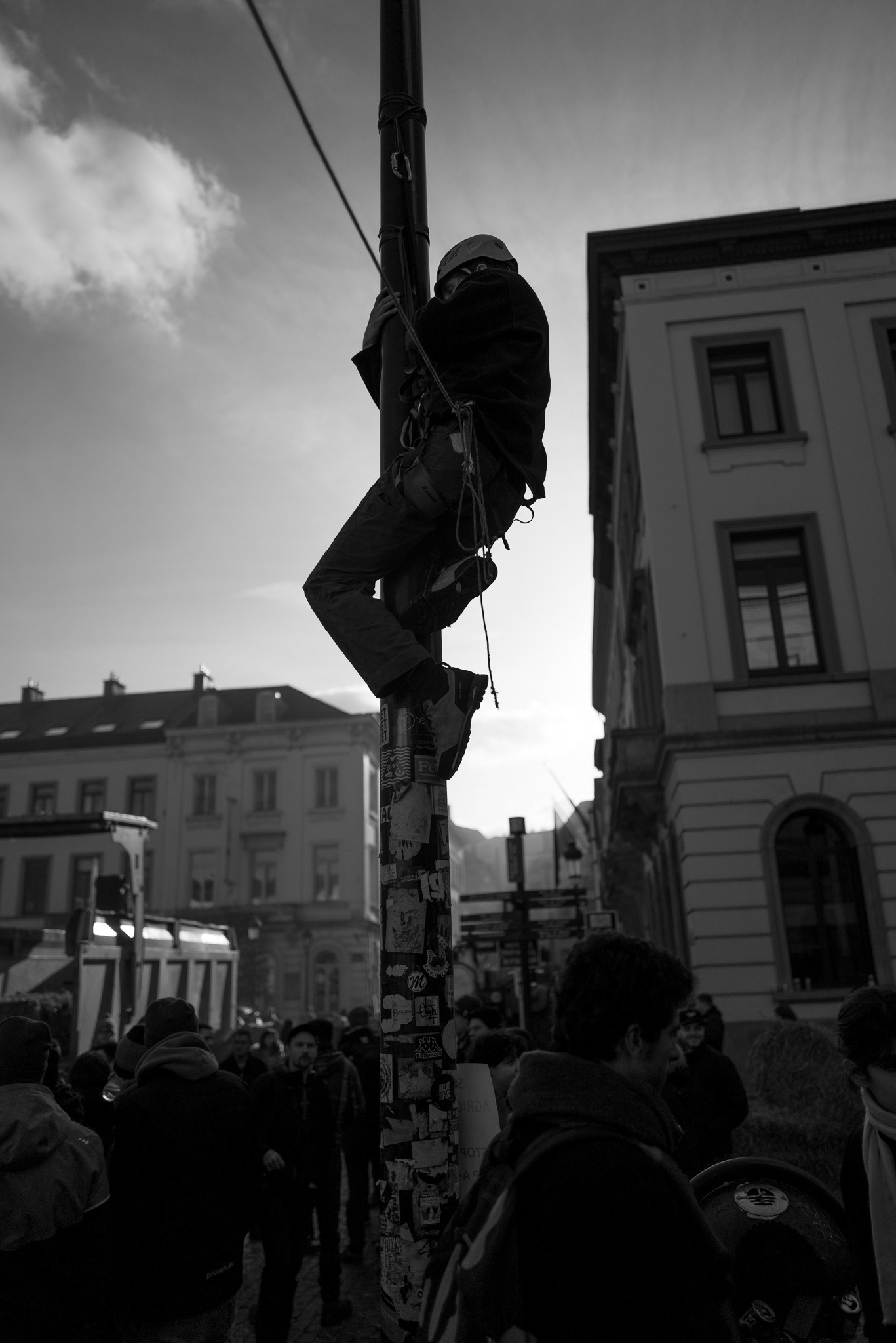
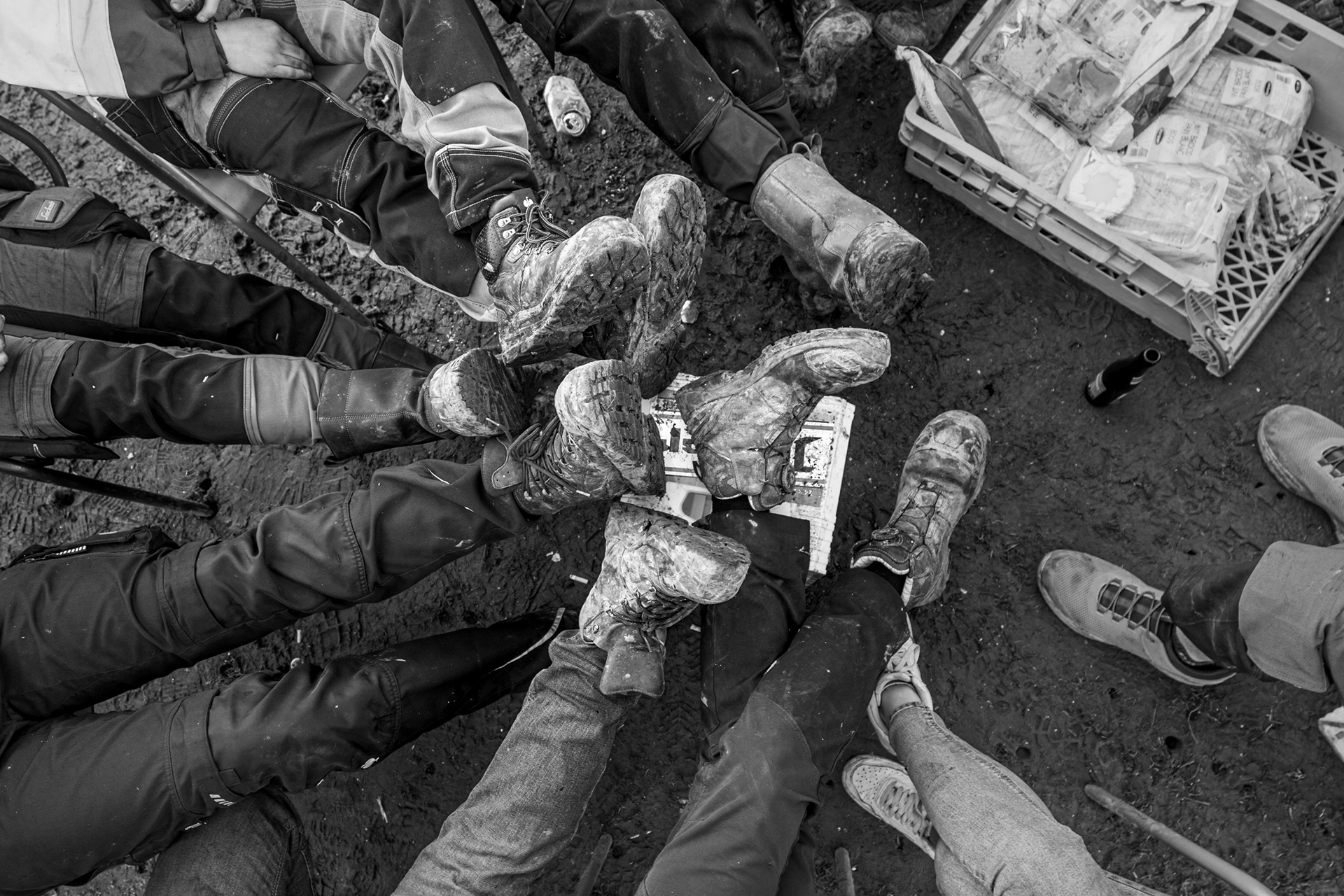
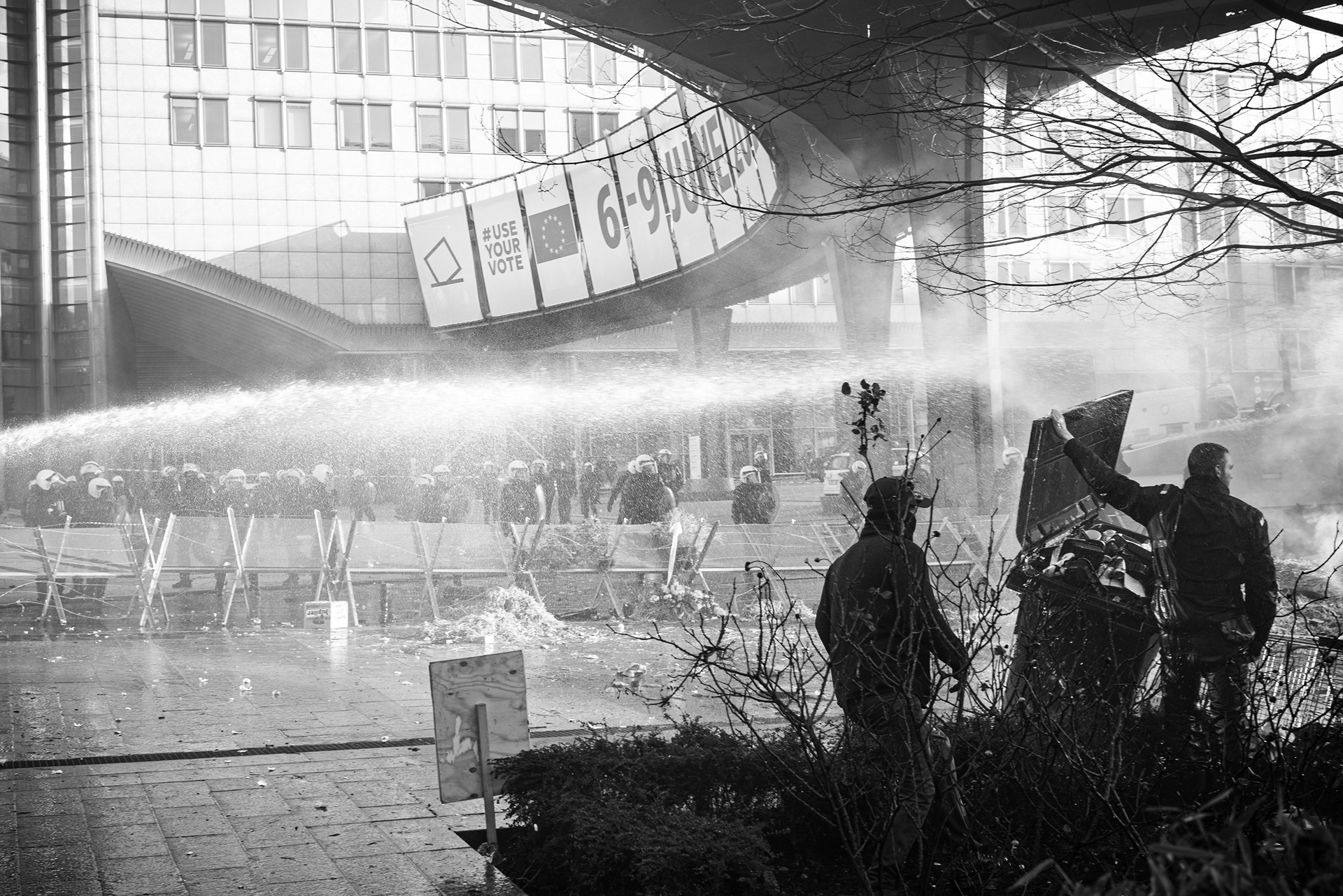
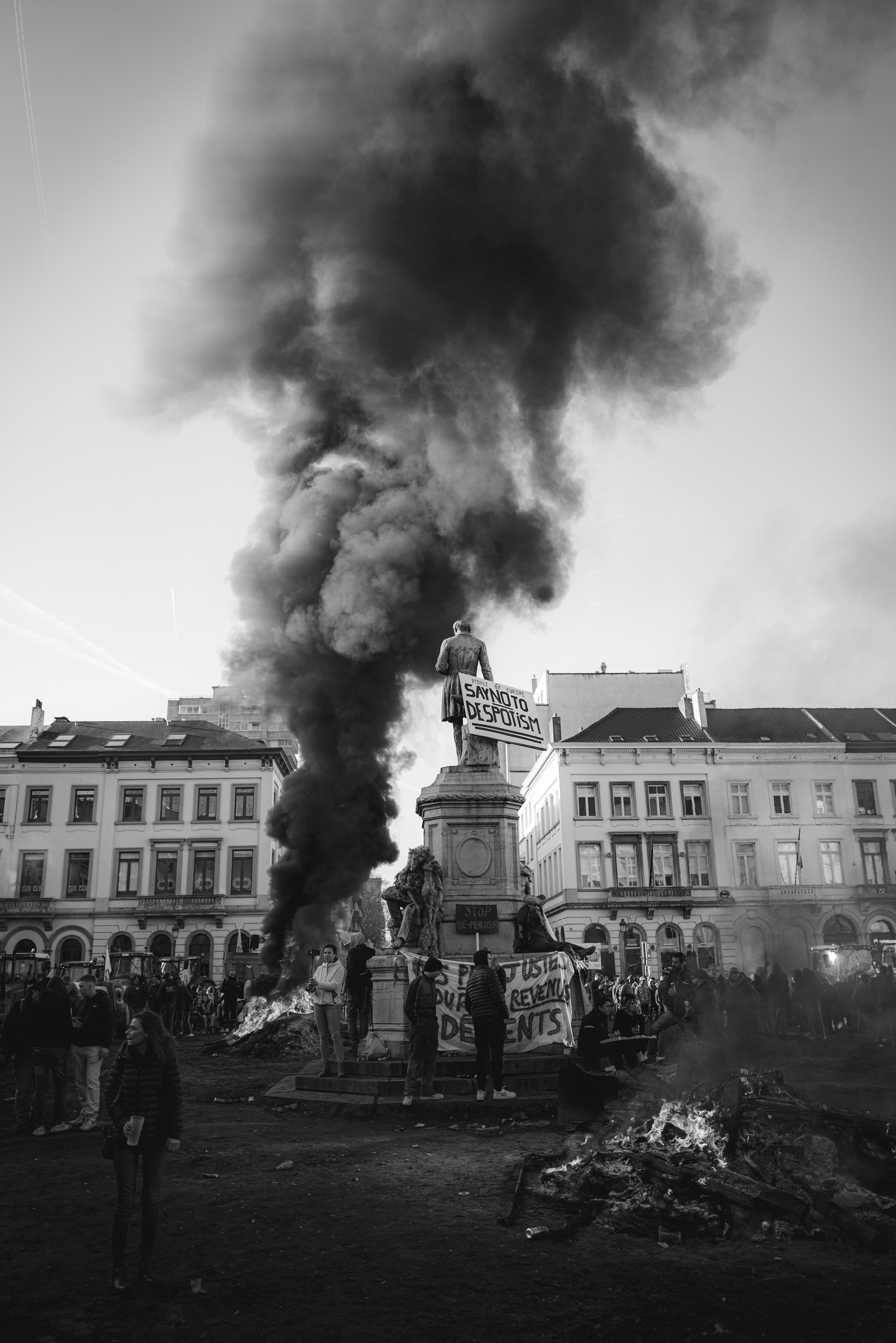
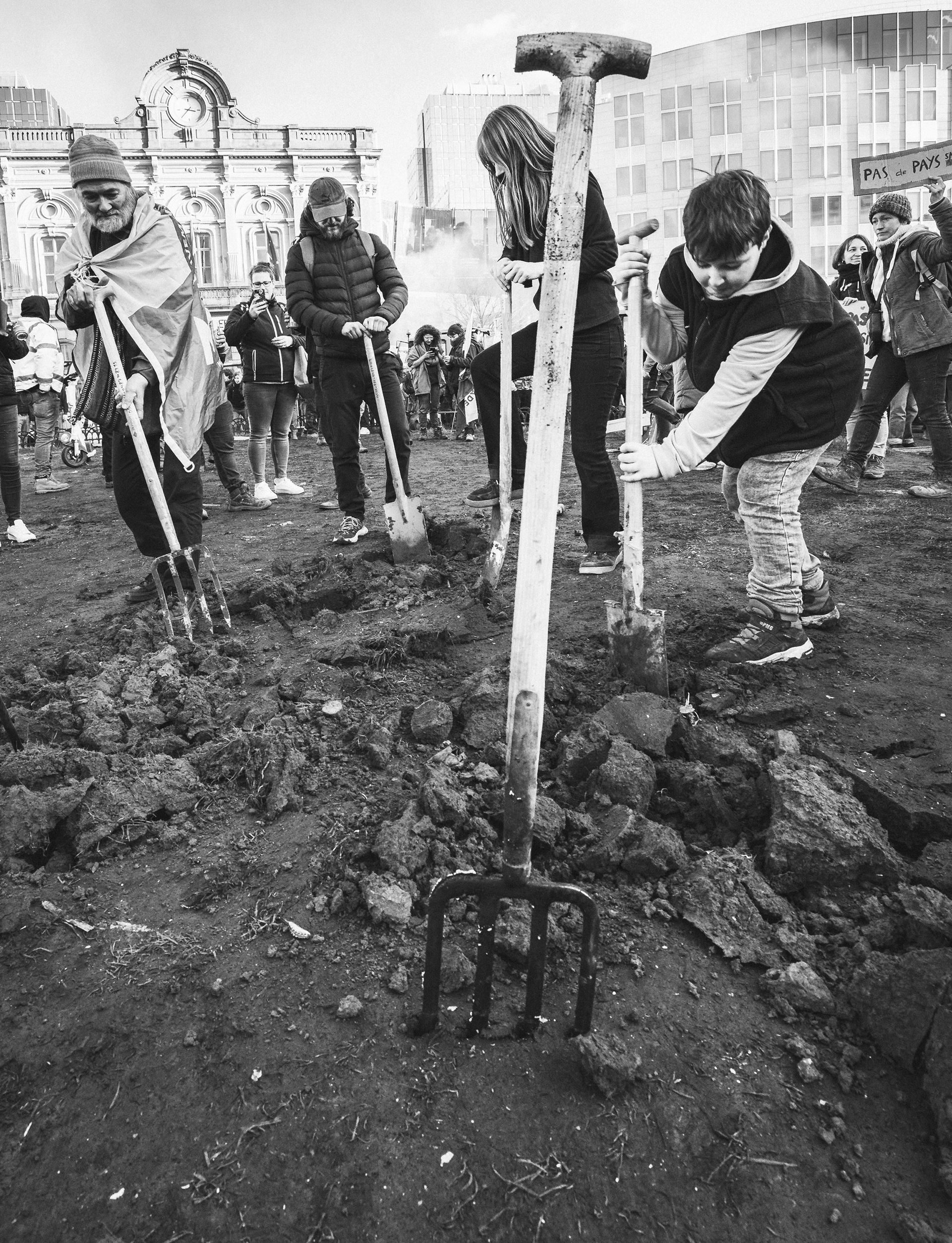
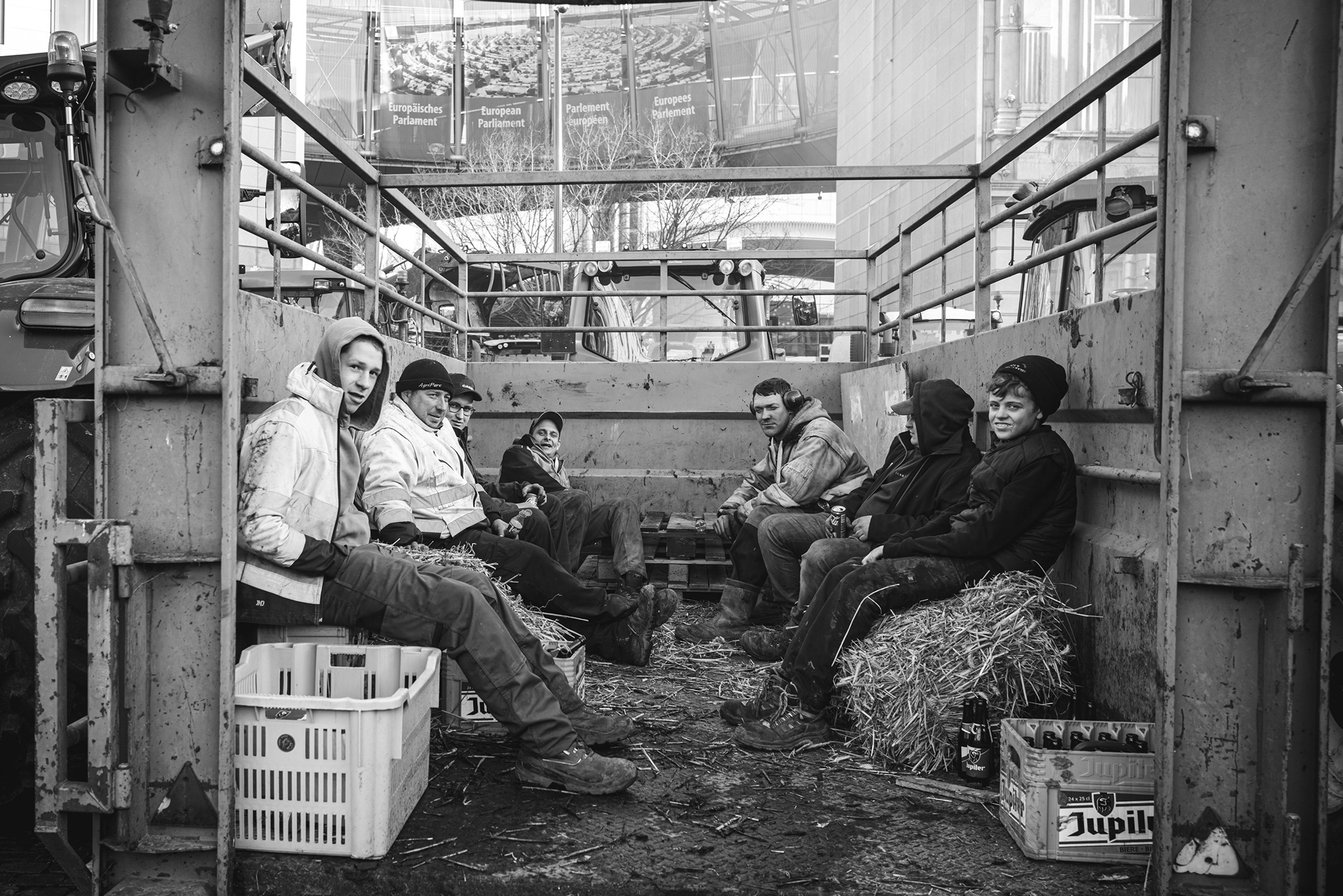
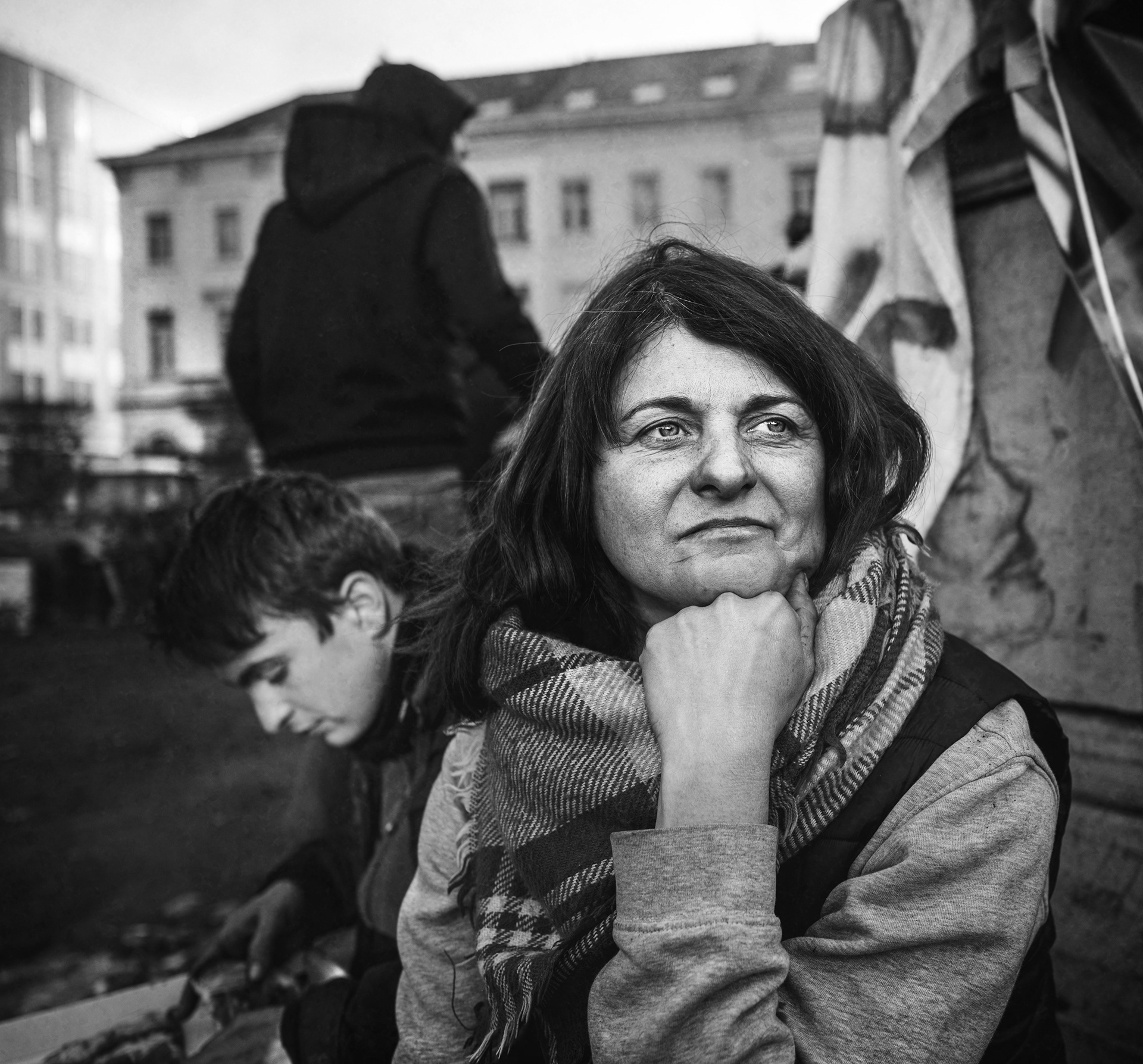
When the farmers reached the heart of the European quarter, I went to photograph a protest. Within an hour I understood I was not photographing a protest at all. I was photographing the moment the distance between the people who make decisions and the people who live with them collapses, when those two worlds are forced onto the same street.
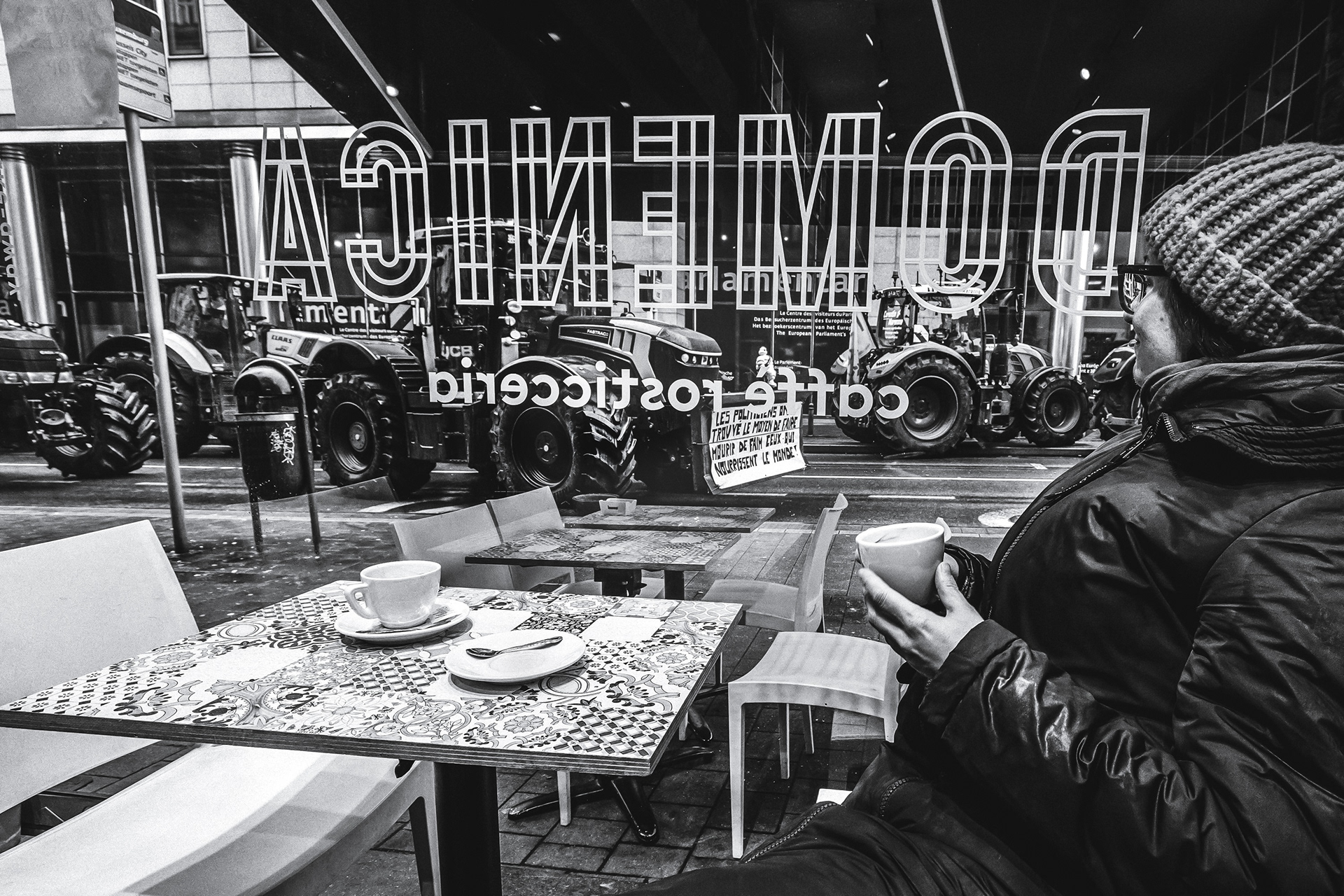
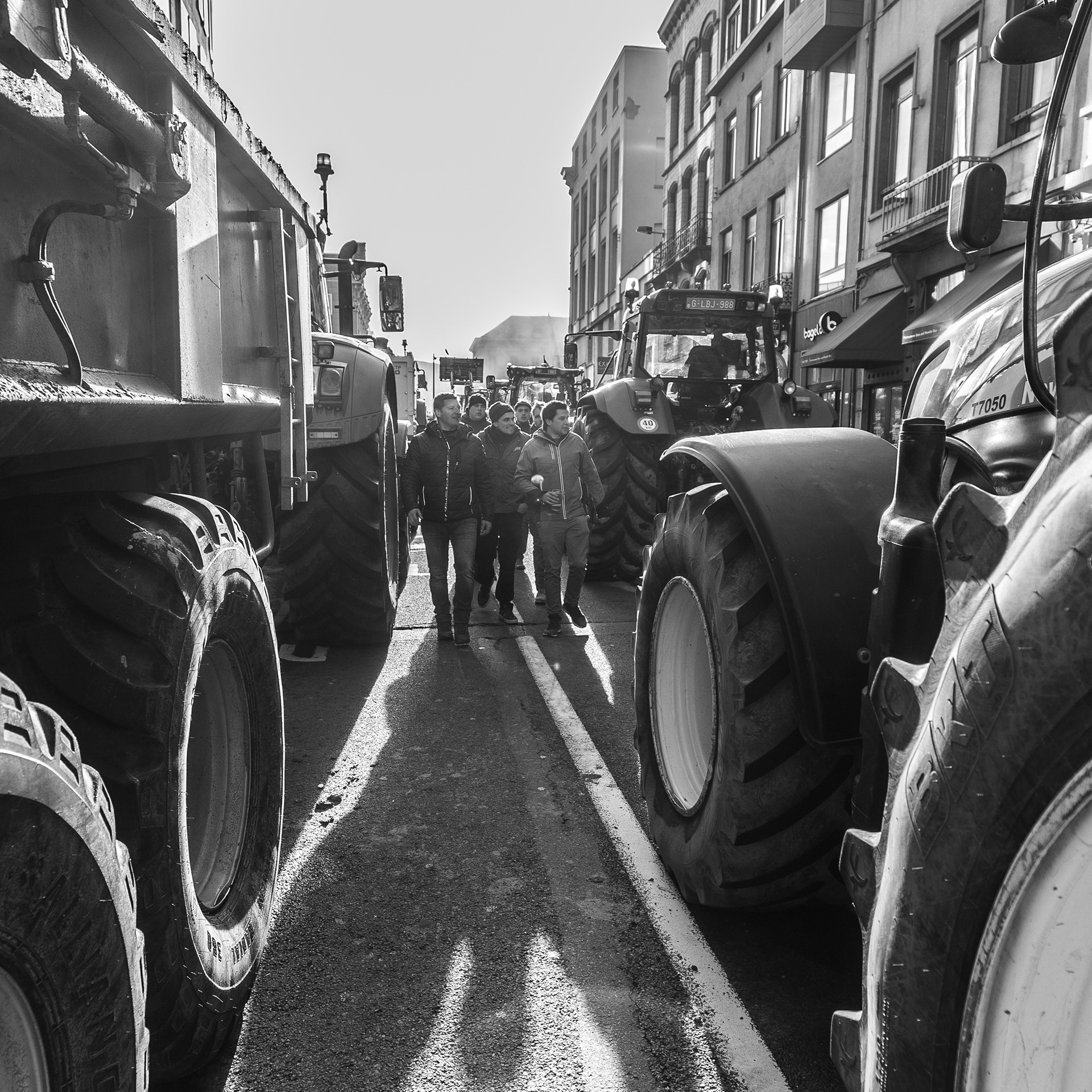
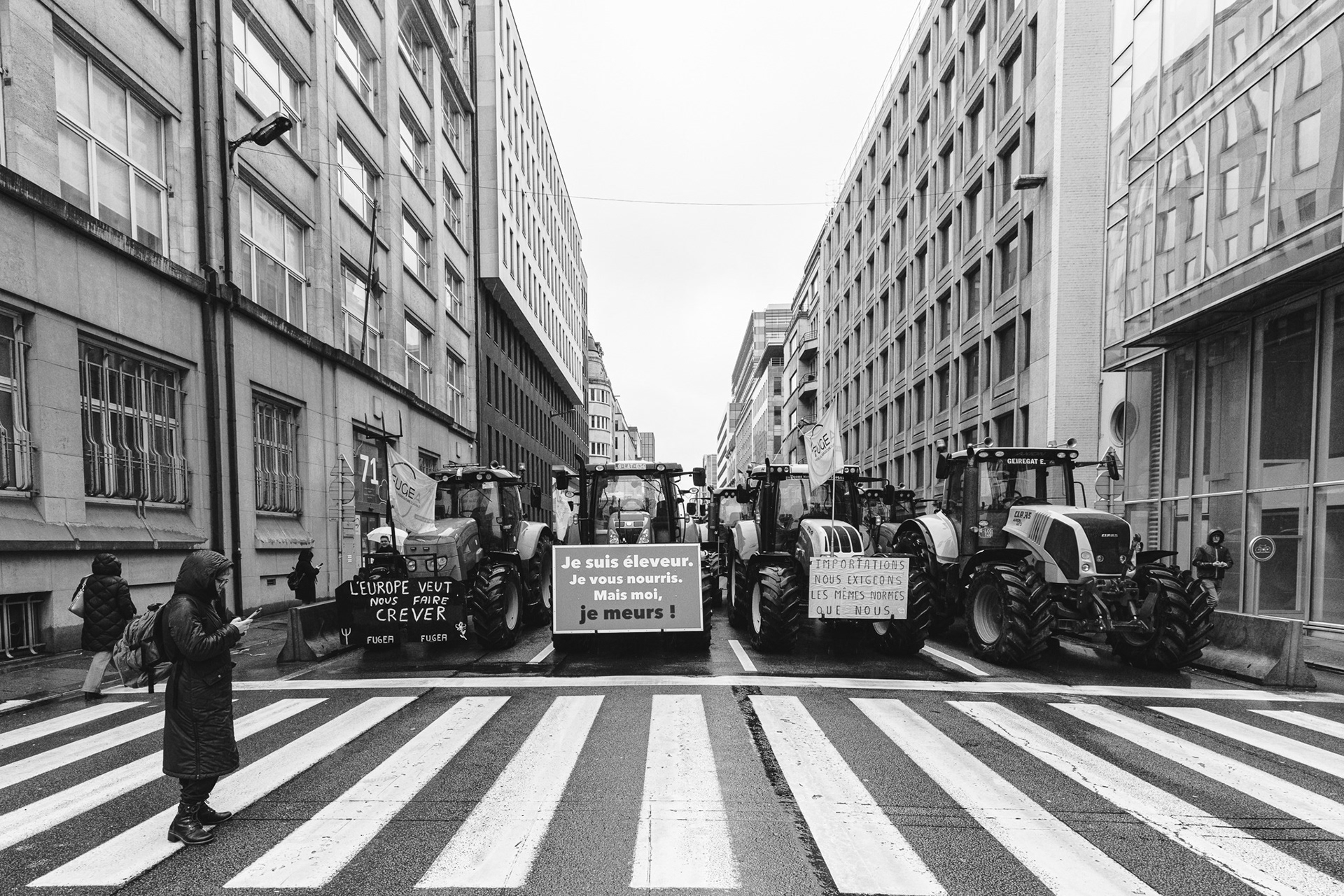
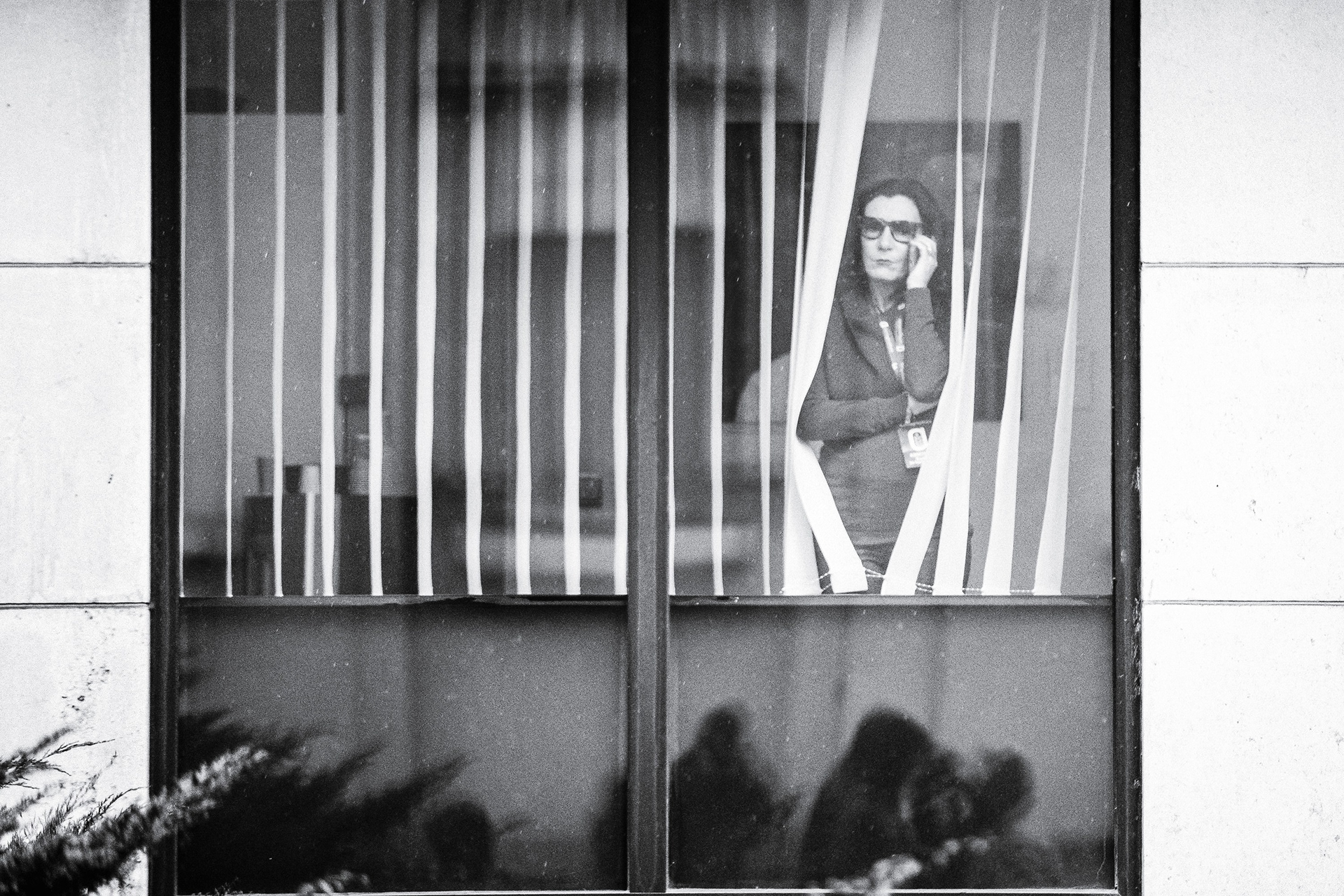
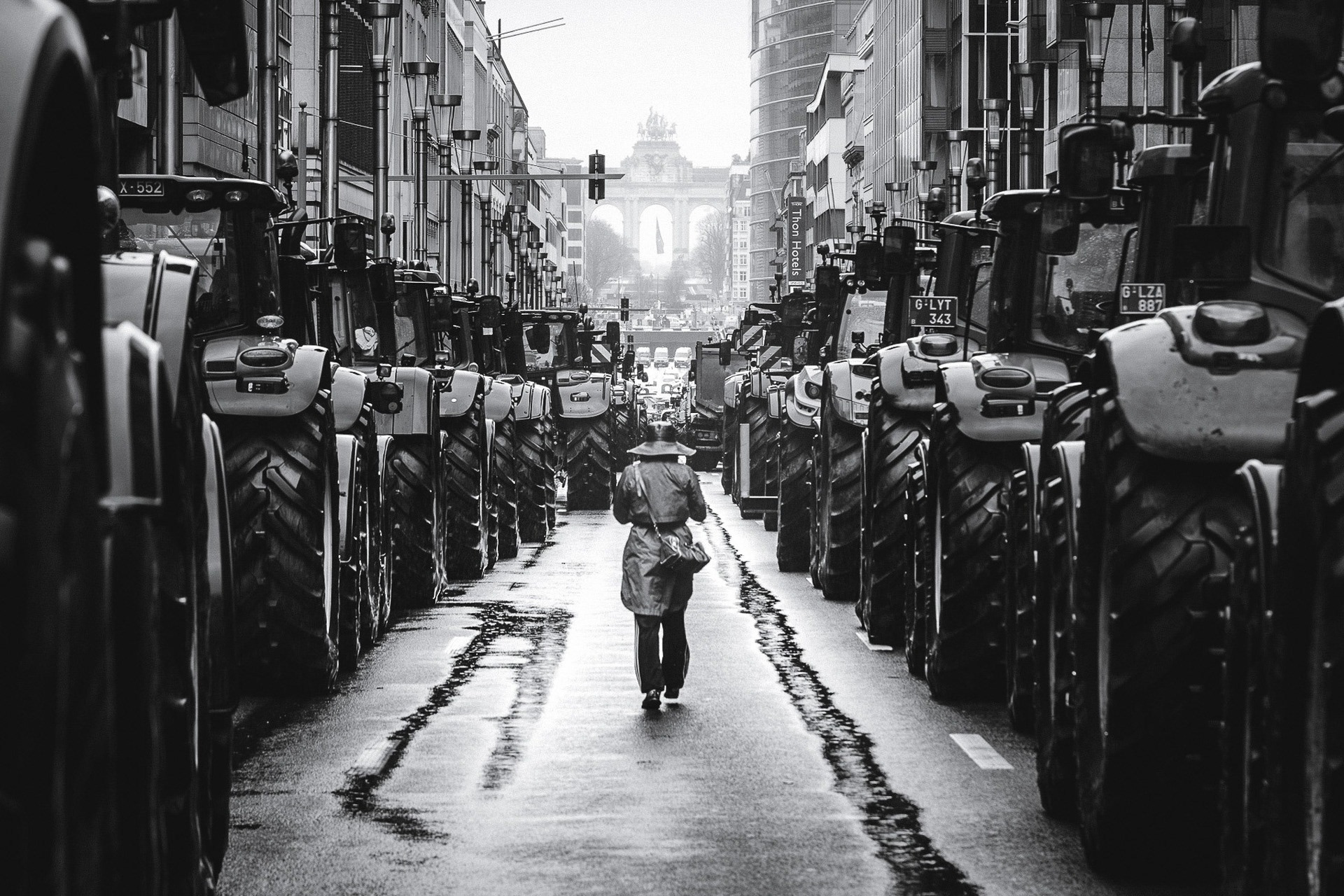
For a few days, the tractors rewrote the city. A crossing I knew, a cafe window, an ordinary corner, became something else entirely: streets built for offices and commuters filled with machines the size of the buildings around them, until the familiar map of the place stopped making sense. It lasted only days. Then the engines left and the city folded back into itself as if nothing had happened. But for that short while, the buildings where their futures are decided stood surrounded by the people who would live with the result, and the city was reminded, at ground level, where its food comes from.
This project does not set out to decide who is right. It watches a world in transformation at the scale of a single street: the brief moment when citizens reshape public space, and redraw what a city is forced to see.